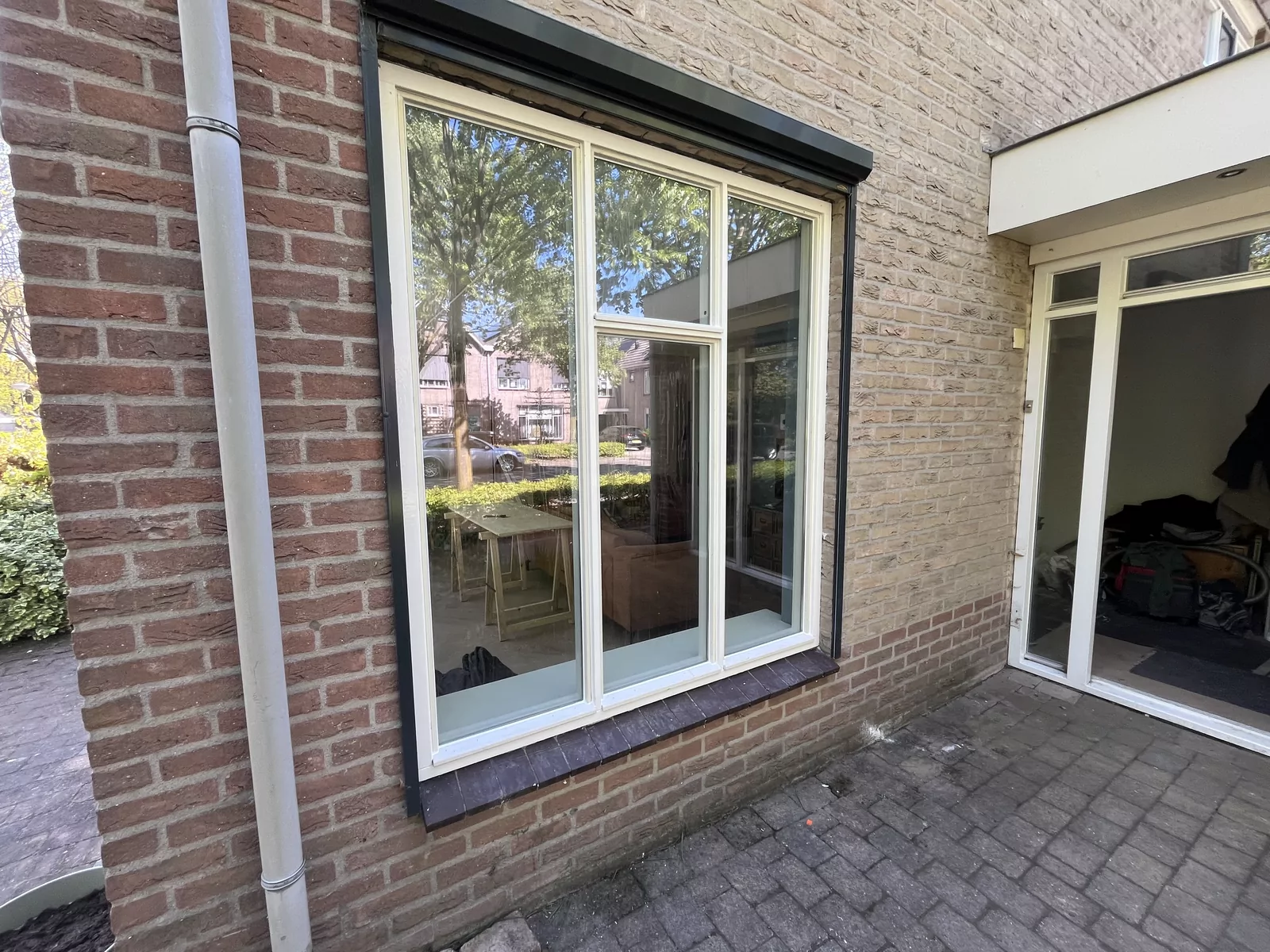
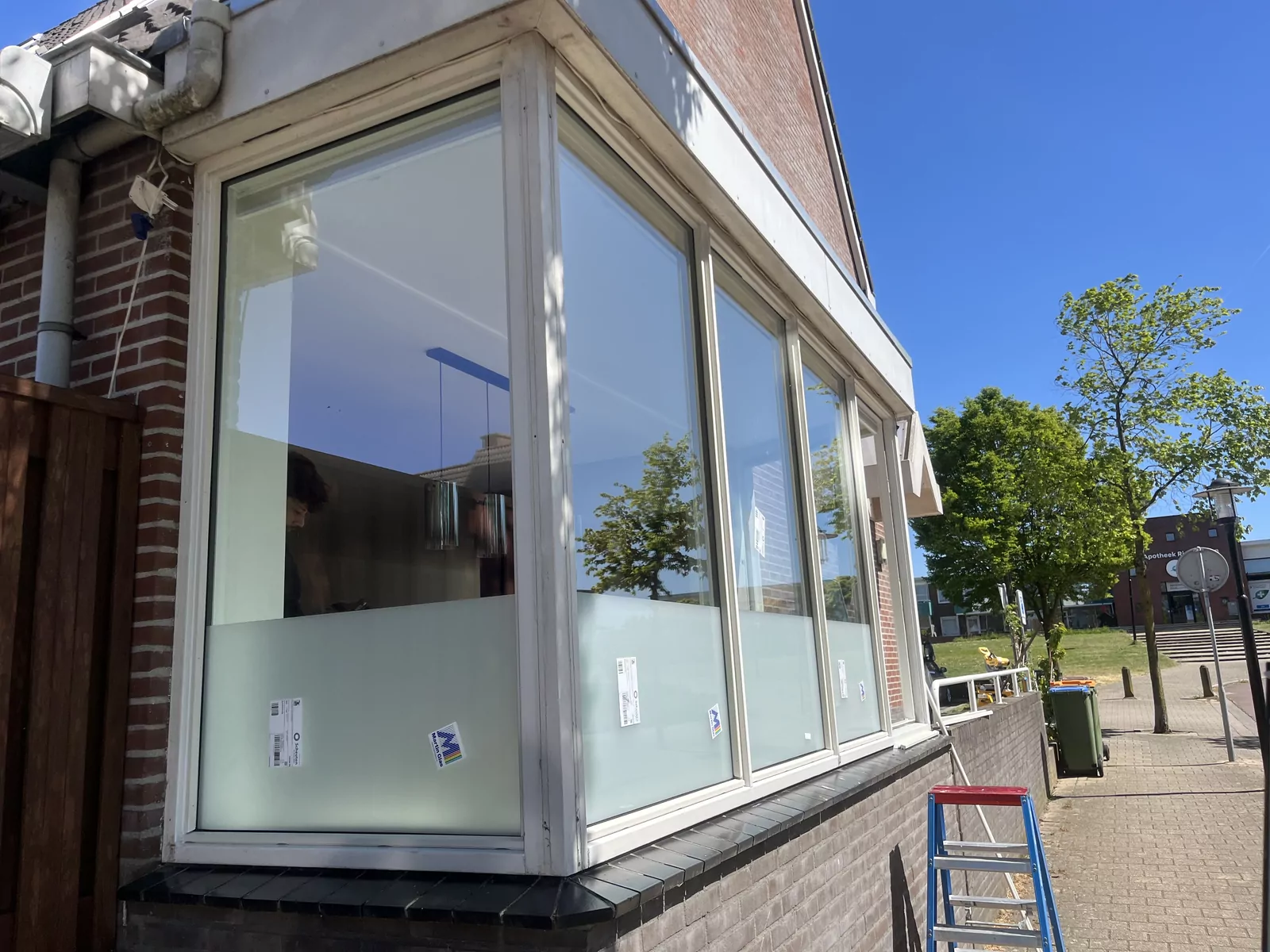
Safety glass is required in certain positions in a home — in sliding doors, low glazing and doors. But there are two main types: laminated glass and toughened glass. What's the difference, and which type do you choose for which application?
Why safety glass?
Ordinary float glass breaks into sharp, dangerous splinters. Safety glass is made so that it forms no or only minimal dangerous shards when it breaks. It protects users against cuts and injuries, and in certain situations it is required by law under the Dutch Building Decree.
Toughened glass (tempered glass)
Toughened glass is heat-treated: the glass is heated and then rapidly cooled. This makes it four to five times stronger than ordinary glass. When it breaks, it shatters into small, rounded granules that barely cut. Toughened glass can no longer be cut or drilled after manufacture.
- Applications: sliding door panels, shower doors, glass walls, tables
- Advantage: strong, relatively inexpensive safety glass
- Disadvantage: falls completely to pieces when broken, so it leaves a hole in the construction
Laminated glass (VSG glass)
Laminated glass consists of two or more panes bonded together with a special interlayer (PVB or SGP). When it breaks, the interlayer holds the shards together — the glass cracks, but stays in place. This is an extra safety feature: a barrier remains intact, even after breakage.
- Applications: roof windows, overhead glazing, fall protection, burglar-resistant glazing, sound insulation
- Advantage: stays intact after breakage, also offers burglary resistance and sound insulation
- Disadvantage: slightly more expensive than toughened glass
When is which type required?
The Dutch Building Decree specifies where safety glass is required, including in doors, side lights next to doors, low glazing (below 85 cm) and overhead glazing. In most cases both toughened and laminated glass comply, but for overhead applications or burglary resistance laminated glass is the right choice.
Combinations
Safety glass combines well with an HR++ or HR+++ coating or a sound-dampening interlayer. That way you get a glass unit that is both safe and insulates well or dampens sound. This is standard for the sliding doors we supply.
Tailored advice
Not sure which safety glass suits your situation best? Ausma Glas & Kozijnen advises you based on the specific application, building regulations and your wishes. We supply and install in Veenendaal, Ede, Rhenen, Wageningen, Barneveld and the surrounding area.
Would you like advice on window frames, glass or ISDE subsidy for your home?
Get a price estimate in 2 minutes or request free measuring and advice from our specialists.